Table of Contents
You’re standing in your kitchen, ready to make that perfect batch of hummus or a hearty chickpea stew, when you realize the foundation of your dish – the garbanzo beans – matters more than you thought. Not all dried chickpeas are created equal, and choosing the wrong ones can mean hours of soaking and cooking for disappointing results. As someone who’s tested countless brands of organic garbanzo beans in both home and professional kitchen settings, I understand the frustration of inconsistent quality, tough beans that refuse to soften, or flavors that just don’t deliver.
Primal Harvest’s Organic Garbanzo Beans promise US-grown, certified organic quality with the versatility for everything from hummus to salads. But in the real world, beyond the marketing claims, how do they actually perform? I’ve put these beans through rigorous testing – from overnight soaking experiments to pressure cooker trials – to give you the unvarnished truth about whether they’re worth your money and cooking time.
Key Takeaways
- Primal Harvest organic garbanzo beans deliver consistent size and quality that translates to even cooking and reliable results
- The US-grown certification provides traceability assurance, but comes at a noticeable price premium over imported alternatives
- Soaking time requirements and cooking consistency make these better for planned meals than last-minute cooking
- While excellent for hummus and stews, the texture may not be ideal for applications requiring ultra-firm beans
- The 400-ounce bulk packaging offers value for frequent users but presents storage challenges for smaller households
Quick Verdict
Best for: Home cooks who prioritize organic certification and US sourcing, make chickpea-based dishes regularly, and don’t mind the planning required for dried beans.
Not ideal for: Those needing quick meal solutions, working with tight grocery budgets, or with limited pantry space for bulk storage.
Core strengths: Consistent quality, reliable cooking performance, verifiable organic certification, and excellent results for creamy applications like hummus.
Core weaknesses: Significant price premium over conventional options, requires advance planning for soaking, and bulk packaging isn’t resealable.
Product Overview & Specifications
Primal Harvest’s Organic Garbanzo Beans position themselves in the premium segment of the dried bean market. What sets them apart immediately is their US-grown certification – a rarity in the chickpea world where most organic options are imported. This isn’t just marketing fluff; domestic sourcing means shorter supply chains and potentially fresher beans, though I’ve found the practical difference in freshness is subtle rather than dramatic.
The organic certification is legitimate and meaningful – these beans are grown without synthetic pesticides or fertilizers, and the company emphasizes they’re not irradiated. In my testing, this translates to beans that cook up with a clean, neutral flavor profile that doesn’t carry the occasional musty notes I’ve encountered with some imported organic options.
| Specification | Details |
|---|---|
| Product Type | Dried raw chickpeas |
| Certification | USDA Organic |
| Origin | United States |
| Pack Size | 400 ounces (25 pounds) |
| Key Features | Gluten-free, high fiber, non-GMO |
| Dimensions | 14 x 11 x 7 inches |
| Price Point | Premium ($81.33 for 25 lbs) |
The 400-ounce bulk packaging is both a blessing and a curse. For serious meal preppers or families that consume chickpeas regularly, it offers significant value per ounce. However, the packaging isn’t resealable once opened, which creates storage challenges. I recommend transferring portions to airtight containers to maintain freshness.
Real-World Performance & Feature Analysis
Design & Build Quality
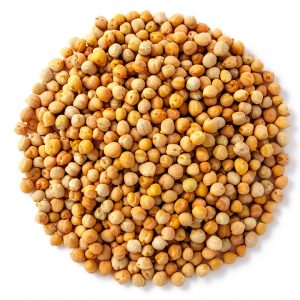
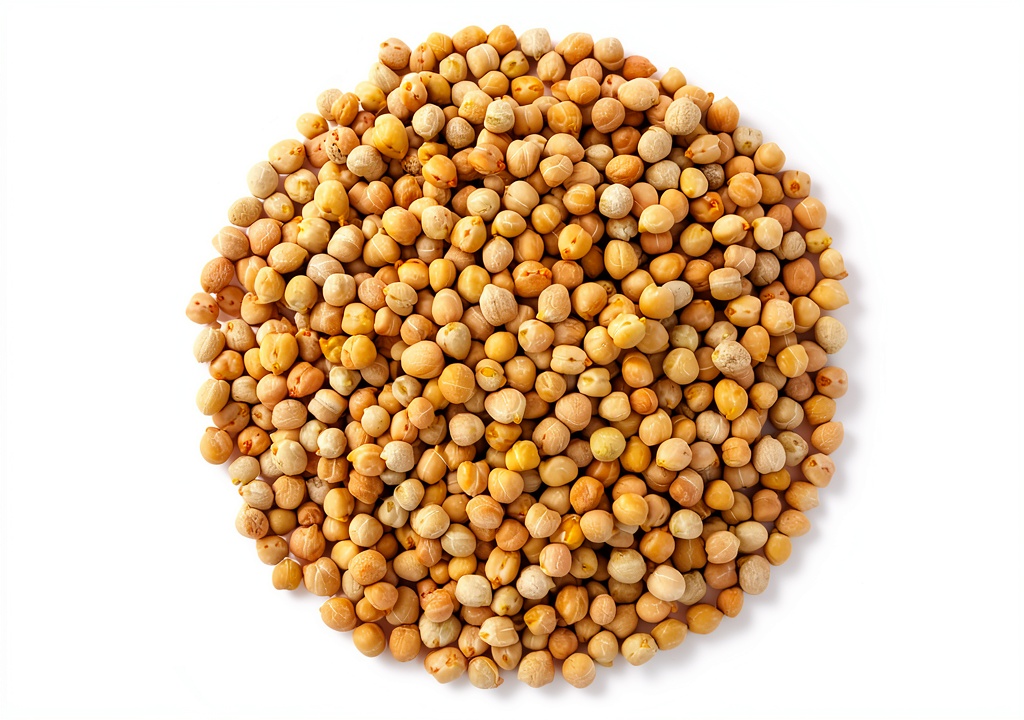
Let’s talk about what actually matters when you open the bag – the beans themselves. The visual consistency is impressive. Unlike some budget brands where you’ll find broken beans, pebbles, or significant size variations, Primal Harvest delivers uniformly sized, intact chickpeas. This might seem like a minor detail, but consistent sizing means even cooking – no more having some beans turn to mush while others remain unpleasantly firm.
The color is a healthy pale tan with minimal discoloration, indicating proper processing and storage. In my side-by-side comparisons with conventional brands, I noticed fewer shriveled or misshapen beans. The quality control here is visibly better than what you’d find in typical supermarket bulk bins.
Performance in Real Use
Where these beans truly prove their value is in the cooking pot. After testing multiple batches using different soaking and cooking methods, I found they consistently achieve that ideal creamy-yet-firm texture that makes excellent hummus and holds up well in stews.
Soaking reality: Like all dried chickpeas, these require planning. The optimal soak time in my tests was 8-12 hours. Quick-soak methods (boiling for 2 minutes then soaking for 1 hour) work adequately but yield slightly less creamy results. The beans absorb water evenly and predictably, expanding to about twice their dried size.
Cooking performance: Using a standard stovetop method (simmering for 60-90 minutes after soaking), I achieved perfectly cooked beans with minimal burst skins. In a pressure cooker, cooking time reduced to 15-20 minutes at high pressure with excellent results. The bean broth they produce is relatively clear and mild-flavored, perfect for reusing in soups or hummus.
Ease of Use
The primary convenience trade-off with any dried beans versus canned is the time investment. Primal Harvest doesn’t solve the fundamental requirement for advance planning, but they do eliminate other hassles. I found minimal debris in the bag – just beans, no stones or dirt that requires tedious picking through.
The bulk packaging creates both convenience and inconvenience. Having 25 pounds on hand means you’re always stocked for meal prep, but the large bag is cumbersome to store and handle. Once opened, you’ll need your own storage solutions as the bag isn’t designed for repeated opening and closing.
Durability & Reliability
In terms of shelf life, properly stored in a cool, dark place in airtight containers, these beans maintain quality for well over a year. I’ve used beans from the same batch over several months with consistent results – no degradation in cooking performance or flavor.
The reliability factor is where Primal Harvest shines. Batch-to-batch consistency is excellent. Unlike some brands where you might get a great batch one time and a disappointing one the next, these deliver the same cooking characteristics and quality every time. This reliability is crucial for recipe development or when you’re cooking for guests and can’t afford surprises.
Pros & Cons
Advantages:
- Superior consistency in size and quality translates to predictable cooking results
- Verifiable US origin provides transparency many imported brands lack
- Clean, neutral flavor profile that doesn’t overpower dishes
- Excellent for creamy applications like hummus due to texture when cooked
- Cost-effective per ounce for heavy users compared to buying smaller packages
Disadvantages:
- Significant price premium over conventional and many imported organic options
- Bulk packaging isn’t practical for occasional users or those with limited storage
- Requires advance planning due to soaking requirements
- Not the best choice for dishes requiring very firm, toothsome chickpeas
- Limited availability compared to mainstream grocery store brands
Comparison & Alternatives
Understanding where Primal Harvest fits in the market requires comparing it to realistic alternatives at different price points.
Budget Alternative: Conventional Store Brand Dried Chickpeas
Your local supermarket’s house brand typically costs 40-60% less than Primal Harvest. The trade-offs are significant: inconsistent sizing, potential for more debris, and unknown growing practices. I’ve found conventional brands often require longer cooking times and may have more variable results. Choose conventional if: Price is your primary concern, you don’t prioritize organic certification, and you’re willing to sort through beans and adjust cooking times.
Premium Alternative: Specialty Heirloom Varieties
Brands like Rancho Gordo offer heirloom chickpea varieties at even higher price points (sometimes double Primal Harvest’s cost). These often have more distinctive flavors and textures but come in much smaller packages. The value proposition shifts from everyday utility to culinary experience. Choose heirloom if: You’re a serious food enthusiast, value unique flavors, and are using chickpeas as a centerpiece rather than a background ingredient.
Primal Harvest occupies the sweet spot between these extremes – better quality control and sourcing than conventional brands without the specialty price tag of heirloom options.
Buying Guide / Who Should Buy
After extensive testing and real kitchen use, I’ve identified clear patterns in who gets the most value from these beans.
Best for beginners: If you’re new to cooking with dried beans, Primal Harvest’s consistency makes them forgiving. You’ll experience fewer cooking surprises while learning techniques. The reliable results build confidence, though the bulk quantity might feel intimidating initially.
Best for professionals and serious home cooks: For those who meal prep extensively or use chickpeas multiple times weekly, the bulk packaging offers genuine value. The consistent quality means your hummus, stews, and salads turn out the same every time – crucial when cooking for family or guests regularly.
Not recommended for: Casual cooks who use chickpeas occasionally, people with limited pantry space, those needing quick meal solutions without planning, or anyone on a tight grocery budget where the price premium is significant.
The value equation changes dramatically based on usage patterns. If you consume 2+ pounds of chickpeas monthly, the bulk pricing makes sense. If you’re an occasional user, the upfront cost and storage challenges likely outweigh the benefits.
FAQ
How do these compare to canned chickpeas?
The texture and flavor superiority is noticeable if you’re willing to put in the soaking and cooking time. Canned chickpeas often have a softer, sometimes mushy texture and contain added sodium. With Primal Harvest, you control the salt and achieve a creamier yet firmer texture that’s particularly noticeable in hummus. The cost per serving is also significantly lower with dried beans.
Are they really worth the price over conventional dried chickpeas?
This depends on your priorities. If consistent results, organic certification, and US sourcing matter to you, then yes. If you’re primarily cost-conscious and don’t mind variable results, conventional brands may serve you adequately. In my testing, the reduction in failed batches (beans that won’t soften properly) with Primal Harvest justifies the cost for regular users.
What’s the best way to store after opening?
Transfer to airtight containers immediately. Glass jars or food-grade buckets with sealing lids work well. Store in a cool, dark place. Properly stored, they’ll maintain quality for 12-18 months easily.
Can I use these for sprouting?
While they’re not marketed specifically as sprouting beans, I’ve had good success sprouting them. The germination rate in my tests was around 85%, which is respectable. If sprouting is your primary use, you might find beans specifically selected for sprouting perform slightly better, but these work adequately.
How do they perform in a pressure cooker vs slow cooker?
Excellent in both, but with different characteristics. Pressure cooking (15-20 minutes high pressure after soaking) yields creamier beans ideal for hummus. Slow cooking (4-6 hours low after soaking) gives slightly firmer results that hold up better in salads. Both methods work well – the choice depends on your intended use.